Connectivity on the Lot
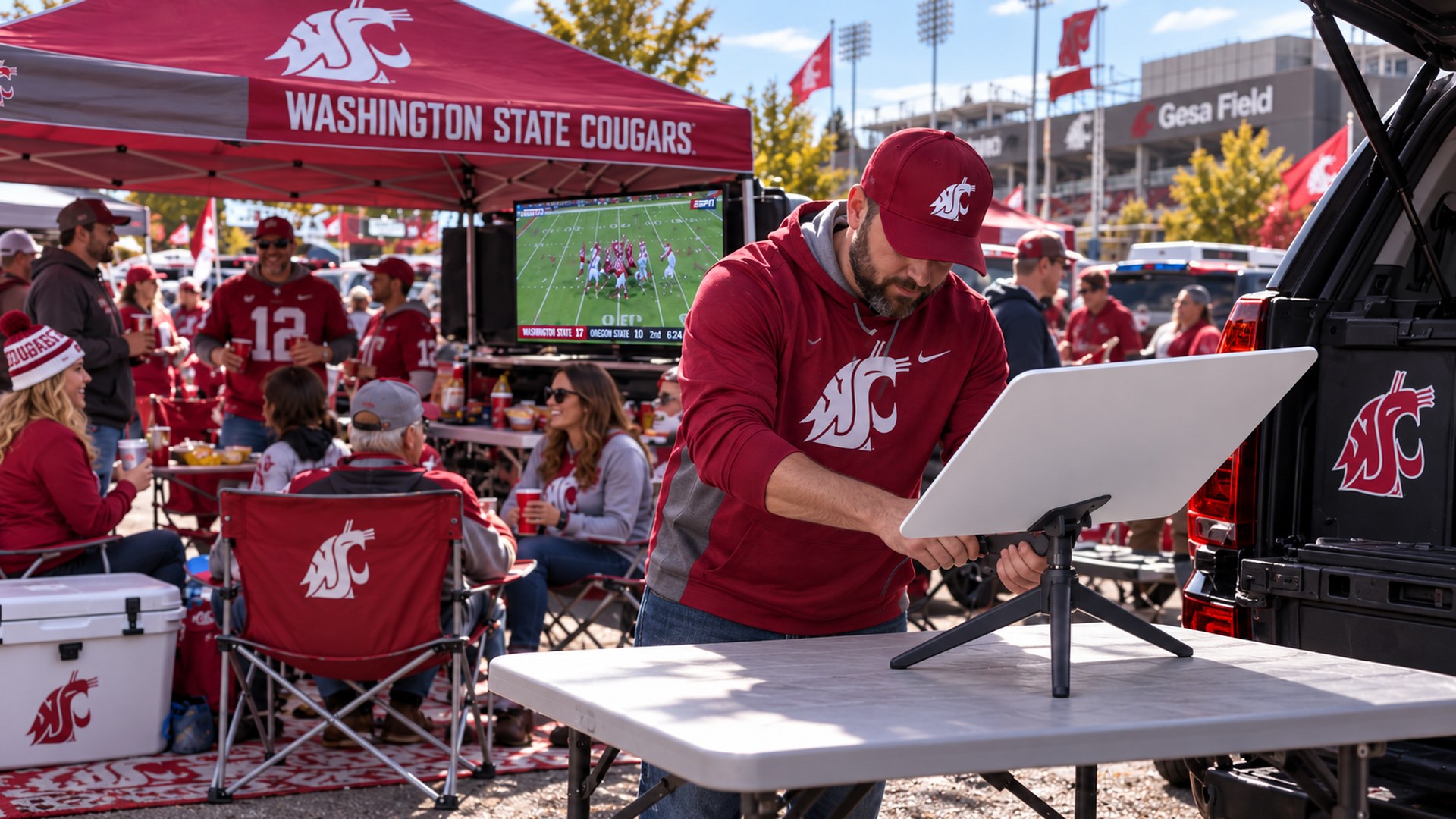
Do you need the picture, or just the call? Pick one path for the day. A second path is a backup, not a second project.
Phone hotspots that worked in the driveway can fall over when ~70k fans hammer the same towers. Plan for jam.
Tower jam (cellular)
Assume the network gets ugly near kickoff. Texts may limp along while video dies. If the crew can live with a delayed stream, fine. If you need a steady picture, don’t bet the day on one bar of LTE.
Pros of phone hotspot: Zero extra gear.
Cons: Congestion. Battery drain. Data caps.
Tip: Download what you can before you park; limit tethered devices.
Wi-Fi (when you’re working)
Stadium or lot Wi-Fi is a rumor until you’ve used that campus on game day. Fine for email between snaps — rarely enough for a clean multi-device stream.
Pros: No personal data burn when it works. Cons: Captive portals. Overloaded APs. Password chaos. Tip: Have an offline plan for the actual game feed.
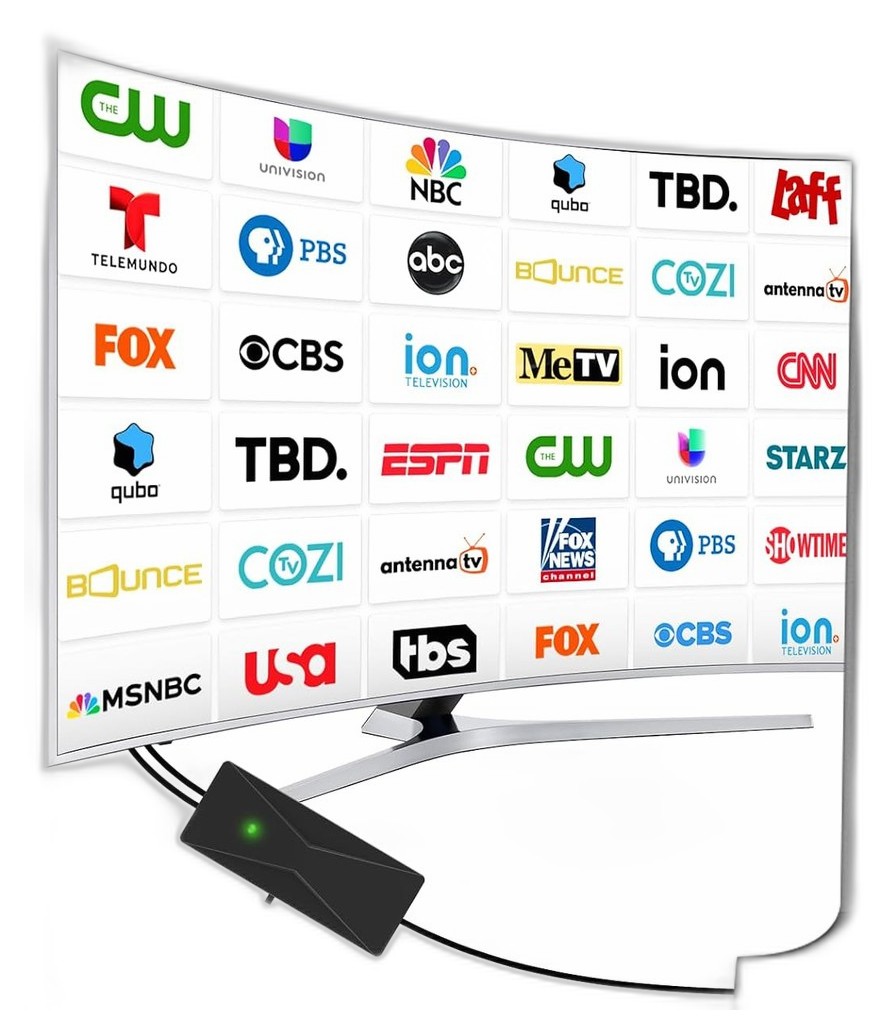
Antenna / OTA — bulletproof, limited
Local broadcast only. Height helps; stadium bowl and metal hurt.
When best to use: Local broadcast when you refuse to bet the day on congested towers.
Pros: No subscription. No tower jam. Just TV power.
Cons: Only local channels. Line-of-sight lottery.
Tip: Test at home on a similar distance before you promise the crew a broadcast. Pair with Tailgate TV.
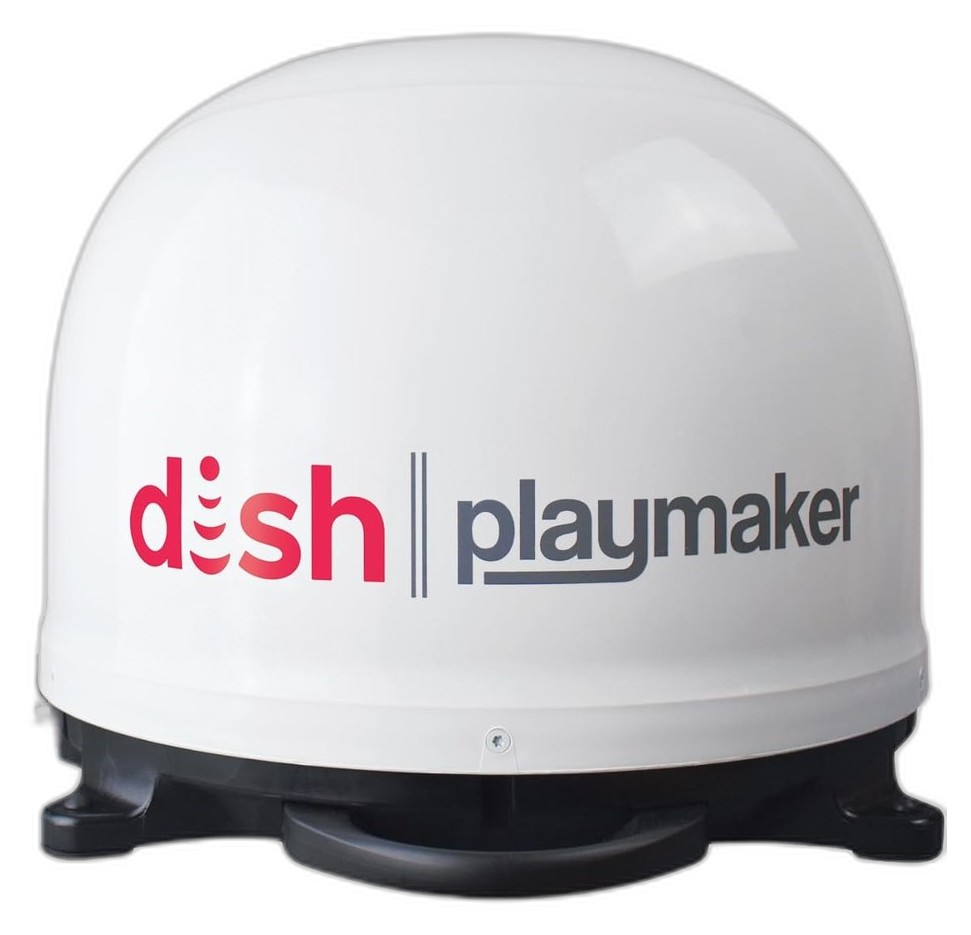
Dish Playmaker — clear sky
Portable satellite dish class — needs open sky (southern look angle in most of the U.S.).
When best to use: Must-have national feed when cell dies and you have open southern sky.
Pros: Your own feed when cell dies. Auto-aim on many units.
Cons: Subscription. Sky blocked by decks/trees/trucks. Haul + power for receiver + screen.
Tip: Dry-run at home; weight the mount; don’t tape a dish to a folding table. Trust the signal meter, not a phone compass next to the grill.
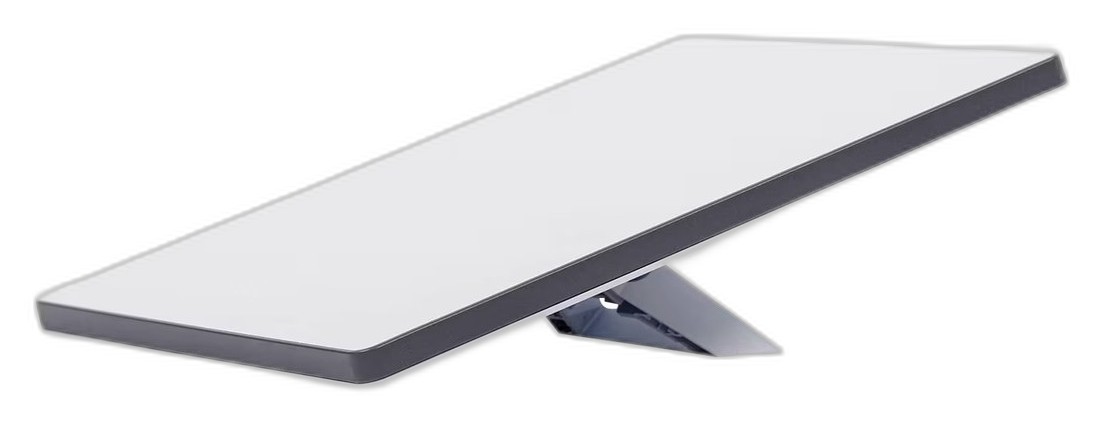
Starlink — easy / strong
Low-earth orbit kit (Mini class is the haul-friendly version). Clear view of the sky, power from a station.
When best to use: Work + stream when towers choke and you can clear the sky + power budget.
Pros: Strong broadband feel. Works where towers choke. Relatively simple setup.
Cons: Cost. Power (~tens of watts continuous — budget it). Obstruction alerts. Lot may care about mounts.
Tip: Pre-charge the station; keep the dish path clear; great dual-use for RV/work travel.
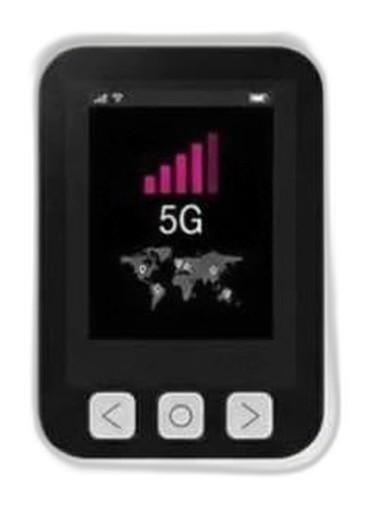
T-Mobile 5G gateway (priority helps)
Dedicated 5G router — better than phone tether when the plan includes premium / business priority data. Keith’s lot experience: priority business data worked well when phones around him struggled.
When best to use: Whole-canopy Wi-Fi when your plan’s priority class beats consumer congestion.
Pros: Whole-canopy Wi-Fi. Priority tiers can beat consumer congested pools.
Cons: Still tower-dependent. Plan cost. Placement/antenna aim matters.
Tip: Elevate the gateway; don’t bury it in a metal truck bed; confirm your plan’s priority class before game day.
Bluetooth (music, not TV from the sky)
Bluetooth is phone → speaker (see Music & Speakers). It is not how you pull a network feed out of the air. One phone, one speaker, paired early. Aux cable = boring backup.
How to choose
| Need | Lean |
|---|---|
| Small crew, whatever stream | Phone hotspot + speaker |
| Local broadcast game | OTA antenna + TV |
| Must-have national feed, cell dies | Playmaker or similar sat TV |
| Work + stream when towers jam | Starlink or priority 5G gateway |
| Music only | Bluetooth speaker — stop there |
Read venue rules on poles, dishes, generators, and mounts. Power budget for receiver + screen + dish/gateway together: Power. Satellite TV/radio notes redirect here (old /playbooks/satellite-tv-radio/ URL). Finds stay subordinate.
Get the game to the canopy, then get back to the people.
I Love To Tailgate — one clean path beats three tangled kits.
More in Gear · Tailgate Finds · Rituals