
Power on the Lot
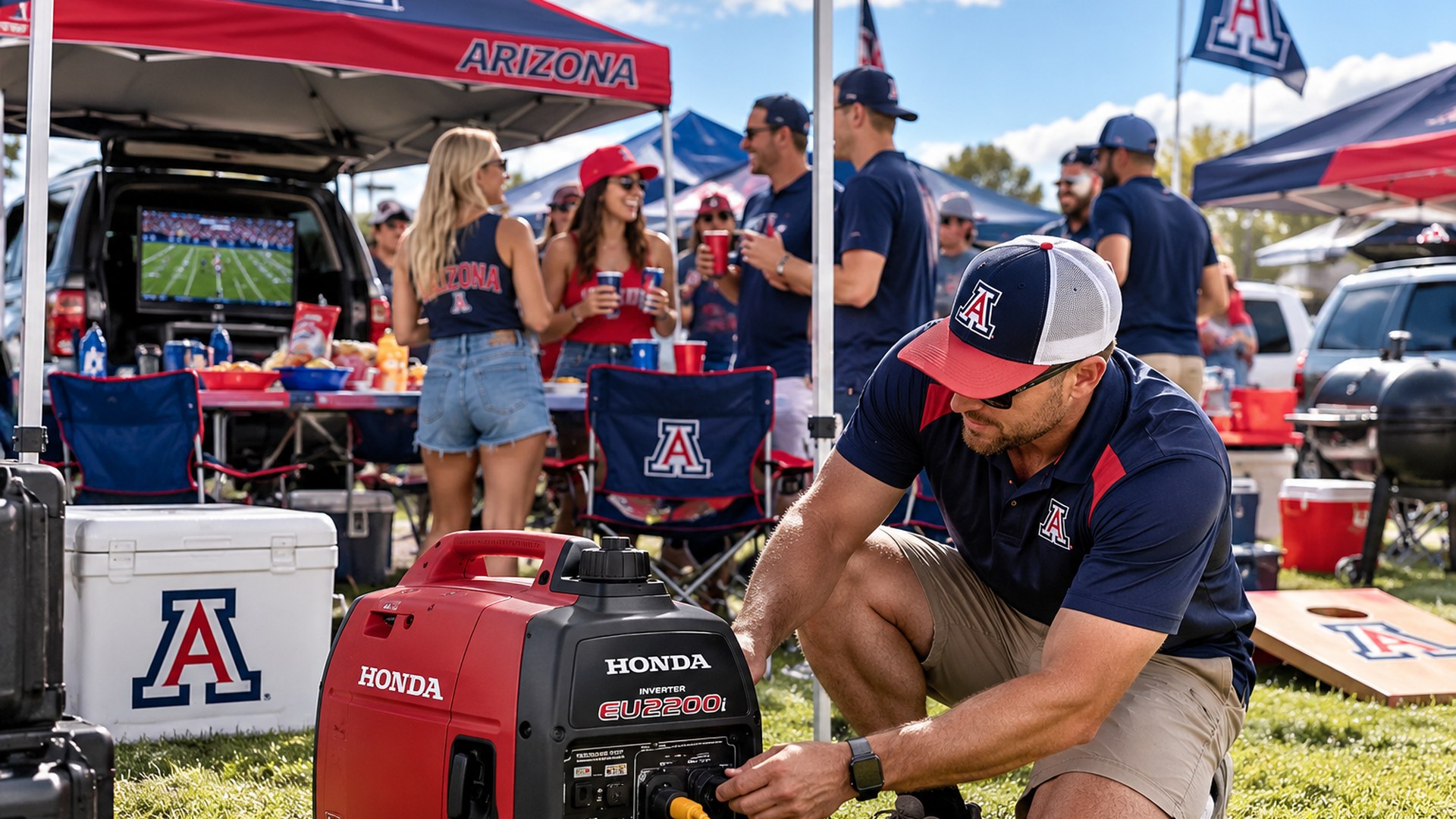
Most lot gear fails on power, not brand. Name what has to run — phones, fan, screen, speaker — before you invent a generator party.
Confirm your lot’s generator and cord rules in Guides. Figures below are labeled estimates — real runtime varies with temperature, age, and surge loads.
Order of preference
- Battery / USB-C — quiet, no cord across the lane.
- 12V from the vehicle — short pulls; don’t flatten the start battery.
- Battery power station — serious mixed loads without gas.
- Gas inverter generator — when watts + runtime demand it and the lot allows.
- Wheeled open-frame — last resort for big cook/TV loads; loud.
Battery power stations (roughly 100–3600W inverter class)
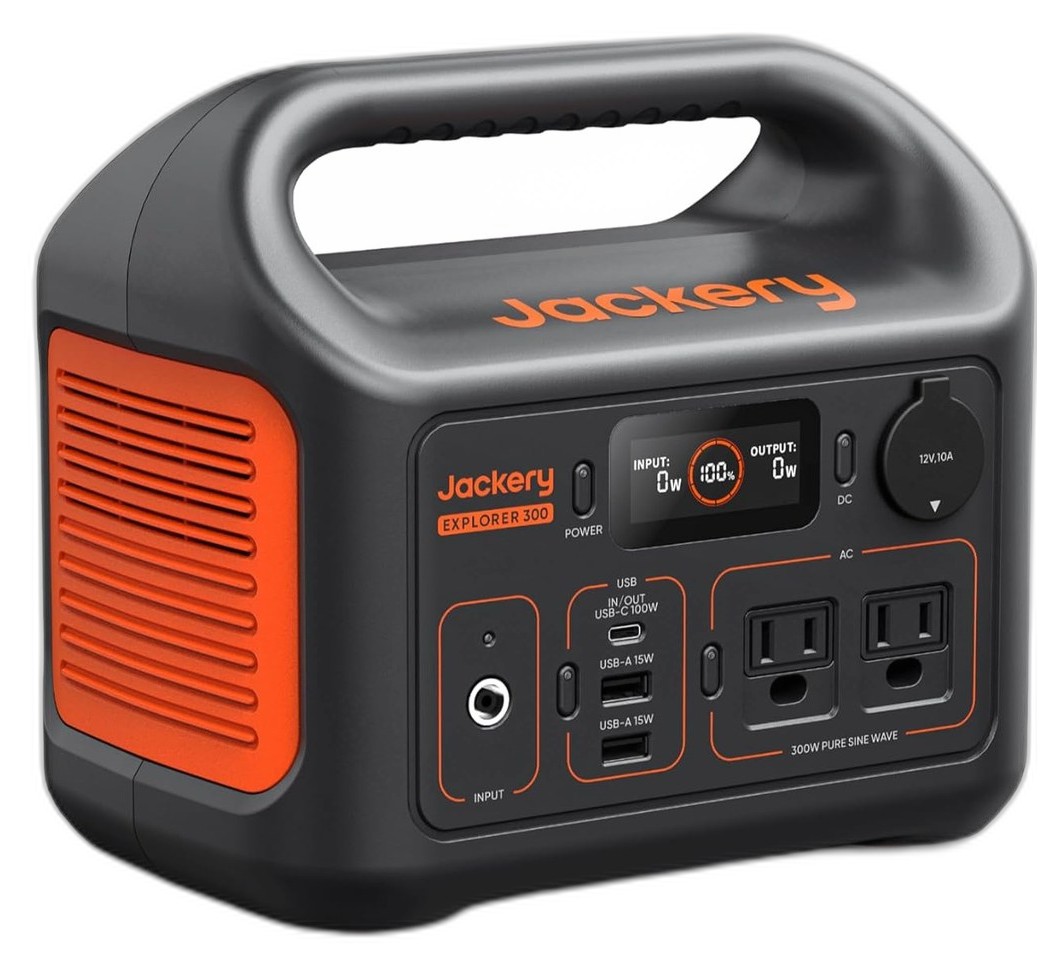
Battery power stations
Rule of thumb: runtime hours ≈ (Wh × 0.85) ÷ load watts for AC (inverter loss). DC ports waste less.
Assume a mixed load around ~150–200W average (LED TV or laptop stream + Bluetooth speaker + small fan + phone charging). Heavier TV + fan setups push 300–500W. Electric heaters (~1500W) empty mid-size stations fast — see Heaters.
When best to use: Quiet mixed electronics (TV/fan/phones) when the lot hates generators — size Wh to the load table below.
Pros: Quiet. No exhaust. Neighbors smile.
Cons: Upfront cost. Recharge time. Heaters eat them.
Tip: Pre-charge night before; assign a power minder like an ice minder.
Size vs runtime under a typical tailgate load
| Station size (Wh, ballpark) | ~100W mixed | ~200W typical TG | ~500W heavy | Notes |
|---|---|---|---|---|
| ~300–500 Wh | ~2.5–4 h | ~1–2 h | short burst | Phones + small speaker OK |
| ~1000 Wh | ~8–9 h | ~4 h | ~1.5–2 h | Solid half-day for light electronics |
| ~1500–2000 Wh | long day | ~6–8 h | ~2.5–3.5 h | TV + fan comfortable |
| ~3000+ Wh | overnight | full slate | ~5+ h | Big crew / multi-screen |
Estimates only — label on the unit wins. Surge (fridge, some TVs) needs inverter headroom above continuous watts.
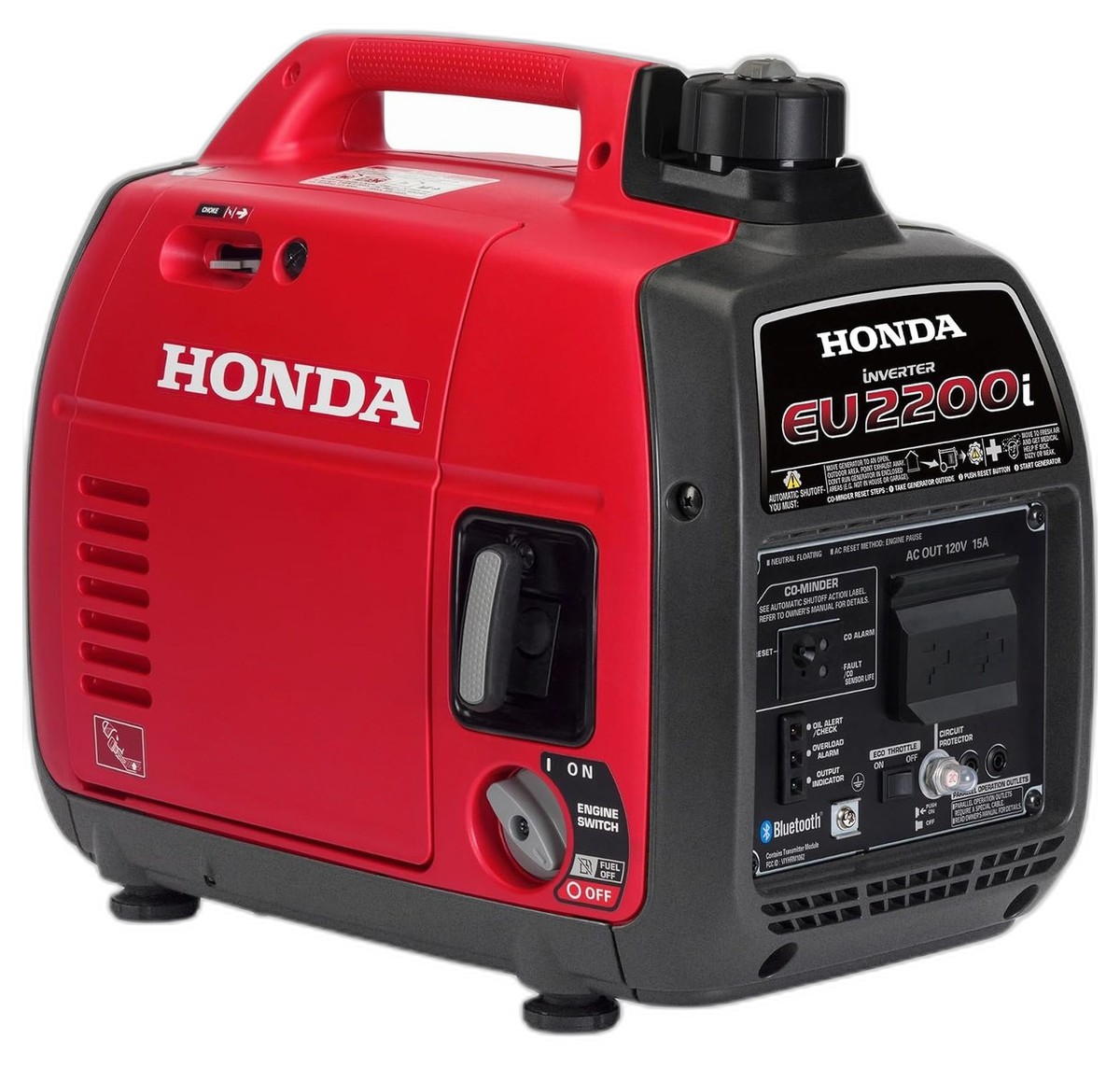
Gas inverter generators (~1200–4500W)
Noise matters on a lot. Quiet inverter kits in the ~2000W class (Honda EU2200i–style and peers) remain the reliability/quiet gold standard; other brands have closed the gap on price/features.
When best to use: When watts + runtime demand gas and the lot allows — park downwind, outside the canopy.
Pros: Long runtime on gas. Runs TV + more.
Cons: Noise. Exhaust. Lot bans. Fuel.
Tip: Park downwind, outside the canopy, exhaust away from tents; GFCI outdoor cords; tape trip hazards.
dB vs common sounds (ballpark, labeled)
| Sound / kit | Approx. dBA | Feel |
|---|---|---|
| Quiet library / whisper | ~20–30 | Soft |
| Quiet inverter @ light load (e.g. Honda EU2200i ~¼ load) | ~48 | Soft conversation-adjacent |
| Normal conversation | ~60 | Talk level |
| Quiet inverter @ rated load (EU2200i class) | ~57 | Still under conversation |
| Mid inverter / small open frame | ~65–70 | Loud talk / vacuum-ish |
| Lawnmower / many open-frame gens | ~85–90 | Hard to talk over |
| City traffic | ~70–85 | Street |
Manufacturer dBA often measured ~23 ft / 7 m at a stated load — compare apples to apples.
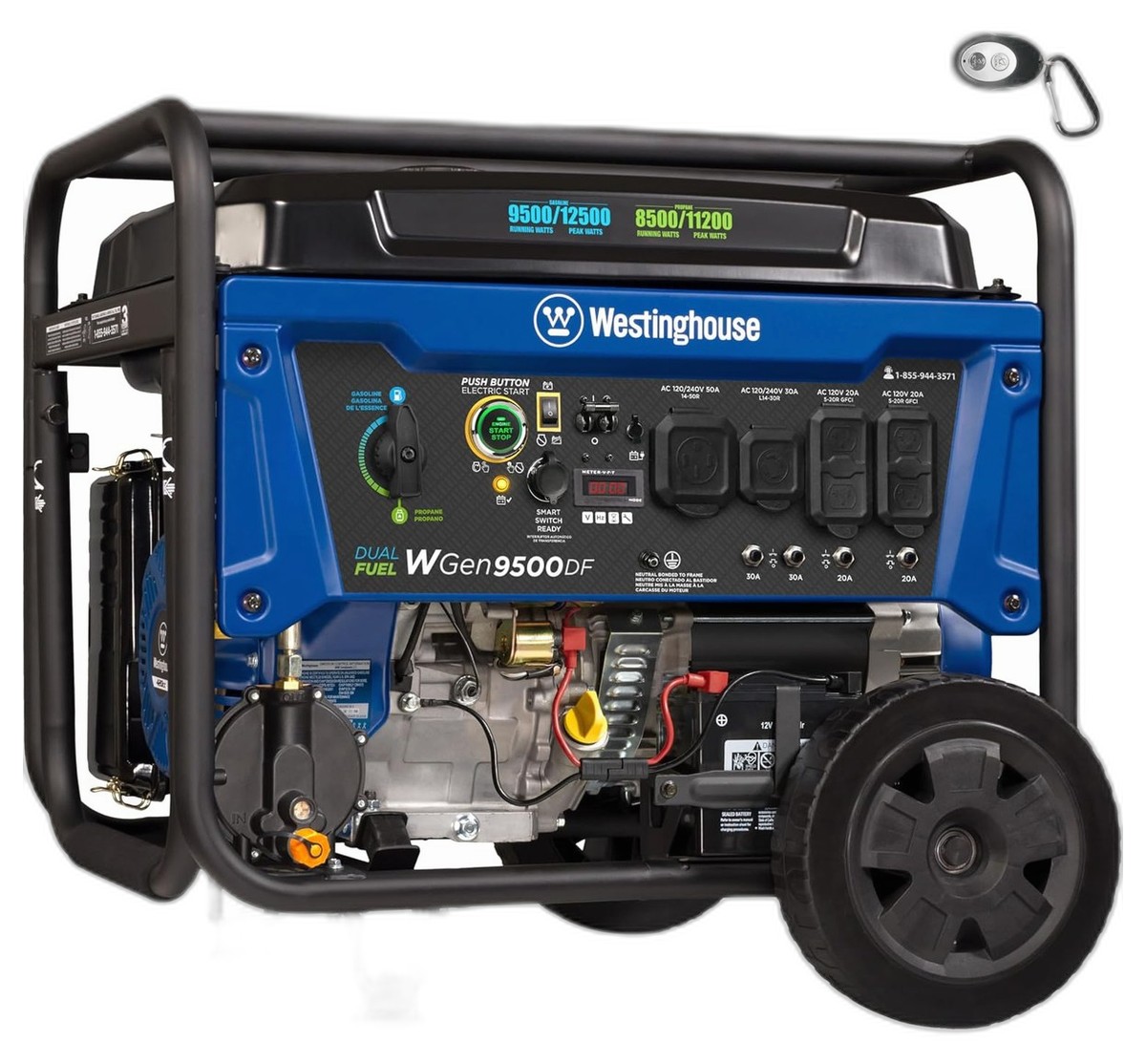
Wheeled generators (~4000–12000W+)
Big dual-fuel / open-frame wheeled kits (gas + propane) are the high-watt end — useful only when the load, the footprint, and the lot all agree.
When best to use: Last resort multi-TV / big cook loads when rules, footprint, and courtesy all say yes.
Pros: Big continuous watts for multi-TV / big cook setups. Dual-fuel flexibility on some models.
Cons: Loud. Heavy. Often banned. Neighbor hostility.
Tip: Only when rules + footprint + courtesy all say yes. Many lots don’t. Park downwind, outside the canopy, exhaust away from tents.
What can realistically run
| Load | Usual path |
|---|---|
| Phones / LEDs | USB bank |
| Small fan / speaker | Battery or station |
| Tailgate TV + box | Mid–large station or inverter gen |
| Electric heater | Generator / venue — high draw |
| Starlink / 5G gateway | Station DC/AC — budget ~40–75W continuous |
Tie-ins: Fans · TV · Connectivity · Canopy.
Accessories
The station or generator is the buy. These keep the lot legal and the walk lane safe.
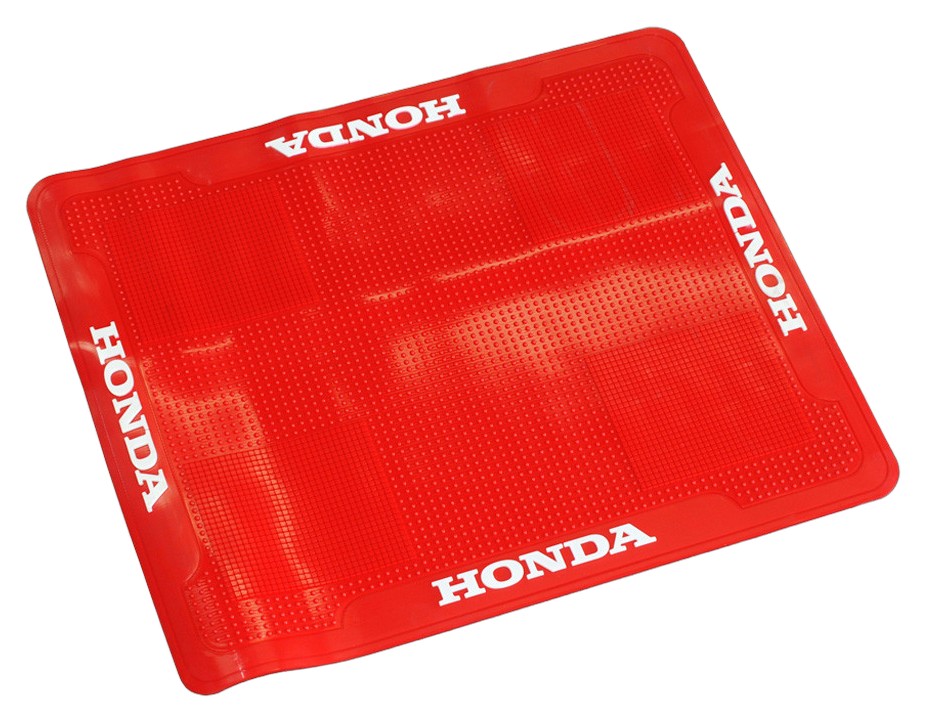
Protective mat
Some venues require generators on a protective mat — catch drips, spare the asphalt, stay in the rulebook.
When best to use: Any gas generator day; lots that spell out a mat rule; grass you don’t want to stain.
Pros: Compliance. Cleaner teardown. Less “oil ring” drama.
Cons: Extra haul. Wrong mat size leaves a corner hanging.
Tip: Mat under the gen, gen still downwind outside the canopy.
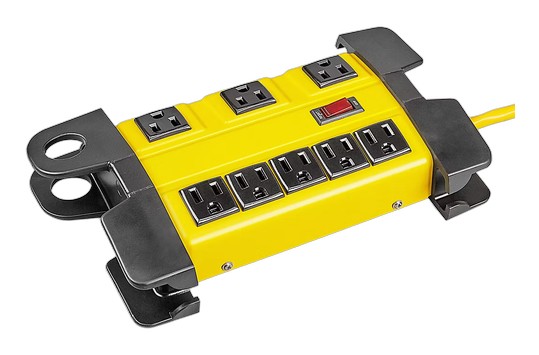
Extension cords & outdoor strips
Outdoor-rated cords and strips so the load reaches the canopy without a tripwire science project.
When best to use: Generator or station feeding TV, fan, and chargers across a stall.
Pros: One clean run. GFCI-friendly outdoor gear. Labelable “phone only” vs “TV”.
Cons: Indoor strips fail outside. Cord salad if you skip tape and a reel.
Tip: Tape crossings, elevate through walk lanes, don’t daisy-chain junk strips.
Cable clutter that belongs in the pack-once bag: Tailgate Kit. Gateways and dishes: Connectivity.
Battery first. Generator only when the load and the lot both say yes.
I Love To Tailgate — competent fun includes lights that last past kickoff.
More in Gear · Tailgate Finds · Rituals